

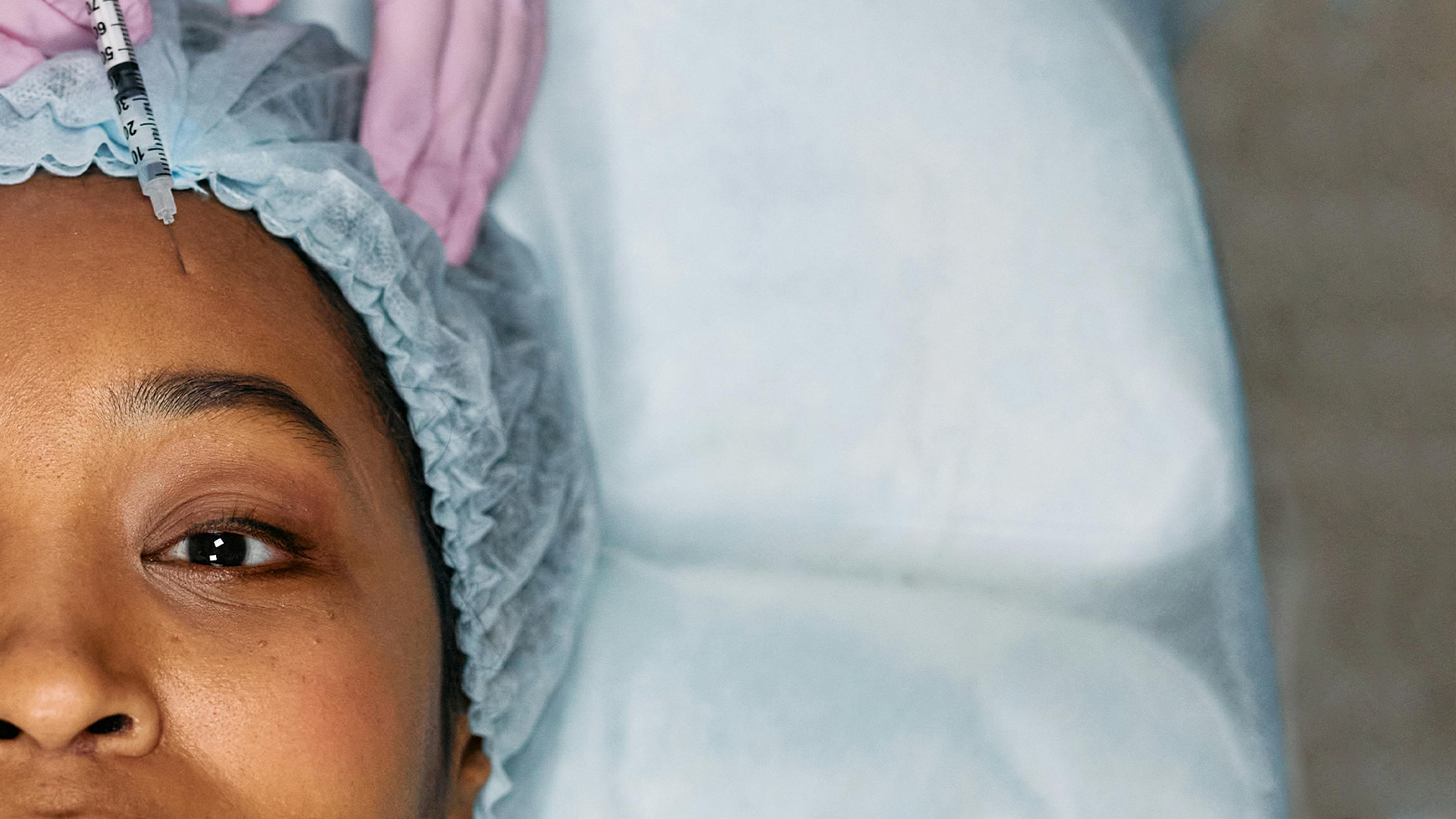
How much have you spent on anti-aging creams, serums, supplements, or treatments so far? It seems we’ll do anything to hang onto our youth—or at what’s left of it for some of us. From social media to our deeply rooted beliefs, we’re told that aging is something to fear, avoid, or at least delay at all costs—especially if you’re a woman.
Ageism affects nearly everyone, but the beauty standards based on ageism hurt women the most, hitting hard at their self-esteem and mental health. This societal pressure to maintain youth is so intense that even young women in their 20s are often getting cosmetic procedures.
Understanding Ageism
The term “ageism” refers to negative stereotypes about aging. However, it’s not just about anxiety and dread of getting older, but about stereotypes and unfair treatment that come with aging. It’s about being discriminated against based on your age. This may lead to unfair treatment in healthcare, employment, or education, denying you access to certain services and opportunities in life just because you’re not in your twenties or thirties anymore. Although ageism can affect people at any stage of life, it most often impacts older adults aged 65 and older.
Research shows that ageism can result in significant challenges in mental and physical health and well-being for those who are targeted, including low self-esteem, mental health issues such as anxiety and depression, and poorer health outcomes.
Why is Our Society So Obsessed with Staying Young?
Aging has always been negatively portrayed in the media, reinforcing the message that youth equals beauty, health, and wellness. We’re constantly bombarded with social media content of young and happy people who travel, raise perfect families, have successful careers, and look beautiful. Everywhere you look, ads for anti-aging creams, cosmetic procedures, and other “miracle” solutions push the idea that looking young is the key to staying relevant.
How We See Women Aging Today: Double Discrimination
Society’s obsession with youth puts immense pressure on women. Societal norms, the media, and marketing industries make women feel they must defy the natural aging process to maintain their worth. This obsession can take a toll, causing you to feel inadequate simply because you’re getting older.
Our family, culture, and society play a big role in who we become, shaping our personality, values, and behaviors. In many cultures, women are taught and encouraged to be nurturers and care for others. Mothers, sisters, and wives are often expected to prioritize the needs of others. But alongside this nurturing role, we frequently face an unspoken expectation to always maintain a certain standard of beauty. So, gendered ageism is a double burden for females.
Not only do we face bias because of our gender, but as we age, we’re also seen as less valuable. Discrimination can affect every aspect of life, from a woman’s career to relationships. . The pressure to meet these ideals can create deep insecurities and challenges in everyday life.
For instance, in industries like acting or fashion, mature women are often pushed aside in favor of younger faces, no matter their experience or skills. Moreover, ageism beauty standards can leave women feeling uncomfortable or self-conscious about their bodies, often preventing them from fully participating in activities like sports or even entering intimate relationships.
Embracing the Strengths that Come with Aging
Despite what most people may think, studies show that mental health improves across the lifespan. The so-called “happiness curve” or “U-curve” suggests that after a temporary drop in satisfaction and happiness levels during midlife—often referred to as the “midlife slump—happiness levels start to rise again. Older adults report feeling healthier, happier, grateful, and focused on meaningful connections. As we grow older, we gain wisdom, confidence, and a stronger sense of self.
All things considered, we could agree that it’s time to challenge our outdated perceptions and promote a culture that celebrates uniqueness in individuals, especially women, at every age. Let’s shift our mindset to see that we should not fear aging but instead embrace it as a life stage that can be highly empowering.


